

Kindling is small, easily ignitable pieces of wooden or other flammable materials used to start a fire. It serves as the initial gasoline source that helps ignite larger logs or firewood. Kindling is essential for getting a hearth going, whether you're lighting a fire, wooden stove, campfire, or grill. Here are some widespread types of kindling and tips for using it successfully:
Types of Kindling:
Dry Twigs and Small Branches: Small, dry twigs and branches are pure sources of kindling. They ignite quickly and help create a base of scorching coals.
Newspaper: Crumpled newspaper is a readily available and efficient kindling material. Firewood Logs Cornwall or twist sheets of newspaper into tight bundles before lighting them.
Cardboard: Cardboard, similar to cardboard egg cartons or cereal boxes, can be minimize or torn into small items and used as kindling.
Fire Starters: Commercial fireplace starters, which are small, highly flammable blocks or sticks, are designed for straightforward ignition. They are a convenient alternative for beginning fires.
Dry Pine Needles or Leaves: If obtainable, dry pine needles or leaves can be utilized as kindling, particularly in outdoor fires.
Wood Shavings or Chips: Thin wood shavings or chips could be created utilizing a knife or hatchet and used as kindling.
Preparing Kindling:
Ensure that the kindling is dry. Wet or damp kindling will be tough to ignite and will hinder your fire-starting efforts.
Break or minimize the kindling into small, manageable pieces, sometimes starting from matchstick-sized to pencil-sized. This dimension ensures that it ignites shortly.
Arranging Kindling:
Place the kindling in a means that permits for good airflow. Start with a free pile or a teepee-like structure with the kindling items leaning against one another.
If utilizing newspaper or cardboard as your kindling, place it at the backside of the fire lay to catch the flame and ignite the smaller twigs or branches.
Lighting Kindling:
Use a protracted fireplace match, a lighter, or a fireplace starter to ignite the kindling.
Once Helpful site begins to burn steadily and generate flames, carefully add bigger items of firewood on high to build the fire.
Safety Precautions:
When lighting kindling, be cautious of sparks and flames. Maintain a secure distance from the hearth source.
Use proper fire-starting instruments and by no means use flammable liquids like gasoline to ignite kindling, as this can be extremely dangerous.
Monitor and Feed the Fire:
As the fireplace grows, continue to add larger pieces of wooden steadily, ensuring that the fireplace has adequate airflow to burn well.
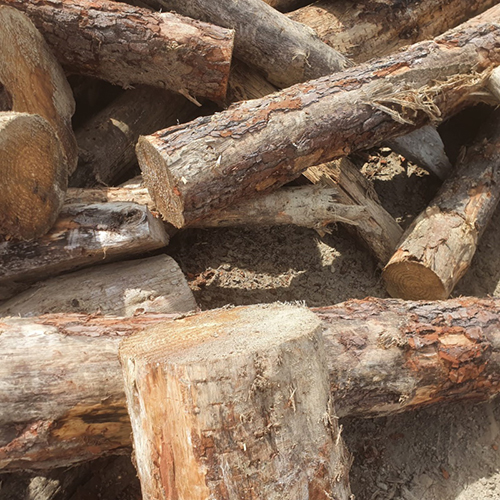
Kindling is a fundamental factor of fireside constructing, and beginning with good kindling could make the method much simpler. When tenting or enjoying a fireplace at residence, all the time prioritize safety and observe any local fireplace laws and tips..